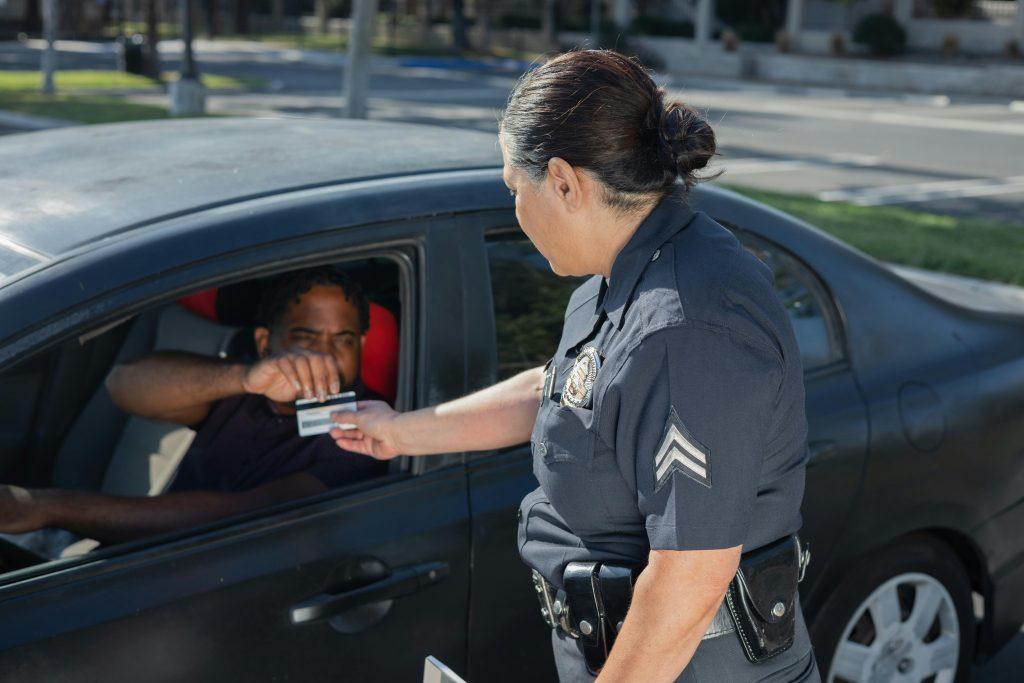
Driving without car insurance in the U.S. can result in fines between $150 and $5,000, license suspension, possible vehicle impoundment, and in some cases jail time, depending on your state. Cause an accident while uninsured and you may be personally liable for medical bills, vehicle repairs, and legal fees, depending on the situation. Forty-nine states require liability coverage (the minimum insurance that pays for injuries and property damage you cause to others), and the consequences of skipping it can be more significant than many people expect.
TL;DR
- Fines for driving without car insurance range from $150 to $5,000, depending on your state and whether it’s a repeat offense.
- Causing an accident without coverage means you may have to pay costs out of pocket: repairs, medical bills, and potential lawsuits.
- Police detect uninsured drivers through electronic verification systems, not just routine traffic stops.
- Getting caught typically triggers an SR-22 requirement for up to 3 years, raising your premiums by an average of $993 per year.
- If you’re currently uninsured, getting a quote today is faster and cheaper than facing any single penalty.
How Common Is Driving Without Insurance?
According to the Insurance Information Institute, 15.4% of U.S. drivers — more than 36 million people — were uninsured as of 2023, based on the most recent Insurance Research Council data. A 2025 IRC study found that one in three drivers (33.4%) were either uninsured or underinsured, a 10-percentage-point increase since 2017. Some missed a premium payment (the regular amount you pay to keep your policy active) and their coverage lapsed quietly. Others never bought a policy at all, betting that the odds of getting caught were low enough to justify the gamble.
That bet is a bad one, and the math shows why. A basic liability-only policy costs roughly $50 to $80 per month. A single uninsured-driver fine, one possible outcome, can exceed the cost of several months or even a year of premiums in one traffic stop. Factor in an actual accident and the numbers stop being abstract very quickly.
What this means for you: if your coverage has lapsed or you’ve been putting off getting a policy, the penalties for driving without insurance can often cost more than maintaining coverage, depending on the situation. You can compare car insurance quotes in minutes and explore options that may fit your budget before your next drive.
The Legal Reality: 49 States Require Coverage
Almost every state mandates minimum liability insurance. The sole exception is New Hampshire, which doesn’t require a policy but holds you fully liable for all crash damages under its Financial Responsibility Law — meaning one at-fault accident could wipe out your savings. Virginia previously allowed drivers to pay a $500 annual uninsured motor vehicle fee instead of carrying insurance, but that option was eliminated effective July 1, 2024, under Senate Bill 951. All Virginia drivers must now carry liability coverage.
In all 49 states that require insurance, the mandate is straightforward: you need at least bodily injury liability coverage (which pays for injuries you cause to others) and property damage liability coverage (which pays to repair or replace another person’s vehicle or property). The specific dollar minimums vary by state, though requirements generally include minimum liability coverage. Getting caught without a policy is a standalone violation; it doesn’t matter if you were driving perfectly at the time. You can review complete car insurance requirements by state for the exact minimums where you live.
State-by-State Penalty Comparison
Penalties for uninsured driving differ dramatically depending on where you live. Here’s a snapshot across ten of the most populated states:
| State | Fine (1st Offense) | License Suspension | Vehicle Impound | Jail Possible | SR-22 Required |
|---|---|---|---|---|---|
| California | $100–$200 | No (1st offense) | Yes | No | Yes |
| Texas | $175–$350 | Yes | Yes | No | Yes |
| Florida | Up to $500 | Up to 3 years | No | No | Yes |
| New York | $150–$1,500 | Yes | No | Up to 15 days | Yes |
| Illinois | $500–$1,000 | Up to 3 months | No | No | Yes |
| Michigan | $200–$500 | Yes | Yes | Up to 1 year | Yes |
| Georgia | $200–$1,000 | 60 days minimum | No | Up to 12 months | Yes |
| New Jersey | $300–$1,000 | Yes | Yes | Up to 14 days | Yes |
| Ohio | Up to $1,000 | Up to 5 years (plates) | Yes | No | Yes |
| Arizona | $500–$1,000 | Up to 3 months | No | Up to 30 days | Yes |
Those numbers can increase for repeat offenses. A second California violation can jump to $500. In Georgia, a second offense within five years can exceed $1,000 in fines plus mandatory community service. And none of these figures account for court fees, license reinstatement charges, or the cost of the SR-22 filing itself, all of which stack on top.
How Do Police Detect Uninsured Drivers?
Driving carefully may not prevent detection in all cases. Most states now operate electronic insurance verification systems that flag uninsured vehicles automatically — no traffic stop required.
When your coverage lapses, your insurer reports the change to the state DMV. Some states, like Oklahoma and Colorado, send an automated notice giving you a short window to prove coverage before suspending your registration. Others, like Florida, act right away. Either way, the system may identify a coverage gap quickly, sometimes before you’re aware of it.
During any routine stop, officers can also verify your coverage in real time through their in-car databases. According to the National Association of Insurance Commissioners (NAIC), more than half of U.S. states have passed laws and begun implementing online verification systems to identify uninsured motorists. Even a lapse of a few days between policies is enough to trigger the system.
What Are the Real Financial Consequences?
Fines and suspensions are painful on their own. But the financial exposure that truly compounds comes when an uninsured driver causes a crash. Without a policy, you may be responsible for covering damages out of pocket.
A moderate collision can mean $5,000 to $15,000 in vehicle repairs for the other driver alone. If injuries are involved, medical costs can run anywhere from $20,000 to well beyond $100,000. Add in lost wages, pain-and-suffering claims, and attorney fees, and the total becomes costs that could have long-term financial consequences through wage garnishment or a civil judgment against your assets. Some states also enforce “no pay, no play” laws, which bar uninsured drivers from suing for non-economic damages like pain and suffering if they’re involved in a crash — meaning you lose legal protections on top of everything else.
On top of accident costs, most states require an SR-22 filing once you’re caught driving without insurance. An SR-22 (also called a certificate of financial responsibility) is a document your insurer files with the DMV confirming you carry at least the state minimum liability coverage. That requirement typically lasts 3 years, and during that window your premiums may increase significantly — the average increase is $993 per year — because insurers now categorize you as high-risk. If your SR-22 policy lapses at any point during those three years, your license may be suspended again, depending on state rules.
A single traffic stop, a single lapse, a single at-fault collision: any one of these can lead to costs that exceed months or years of insurance payments.
What Should You Do If You Don’t Have Coverage Right Now?
If your insurance has lapsed or you’ve never carried a policy, the most useful thing to know is that you can fix it today — and the process can be simpler than many people assume.
Start with your state’s minimum liability requirements, which every state DMV publishes on its website. Then compare quotes from multiple providers. the price difference between insurers for similar coverage can reach hundreds of dollars per year, so spending a few minutes shopping around pays off quickly.
If cost is the main barrier, a liability-only policy is the most affordable option and legally satisfies every state’s mandate. You can add comprehensive coverage (which pays for non-collision damage like theft, hail, or flooding) or collision coverage (which pays for damage to your vehicle after a crash, regardless of fault) later as your finances allow. Some states also require personal injury protection (PIP), a type of coverage that pays for your own medical expenses and lost wages regardless of who caused the accident. A deductible is the amount you pay out of pocket before your insurance kicks in — choosing a higher deductible can lower your monthly premium if you have some savings set aside. The immediate goal is straightforward: get legal, get covered, and eliminate the financial exposure that rides with you on every uninsured trip.
Frequently Asked Questions
Can you go to jail for driving without car insurance?
Yes, in some states. Michigan, New Jersey, Georgia, and Arizona all carry potential jail time for driving uninsured, from 14 days up to one year for repeat offenses. Most first violations lead to fines and license suspension, but in roughly a dozen states, jail is a real possibility.
What happens if you get pulled over without insurance but have a valid license?
A valid license doesn’t protect you from uninsured-driver penalties. You can still receive a fine, have your vehicle impounded, and face a registration suspension. The insurance requirement is entirely separate from your license status, and officers check both independently during any traffic stop.
How do police know if you have car insurance?
Most states use electronic verification databases that cross-reference your vehicle registration with active insurance policies. Your insurer reports any lapse to the state DMV, sometimes within days. Officers can also check your coverage in real time during a stop. More than half of U.S. states have implemented online verification systems. A brief gap between policies is enough to trigger the system.
What is an SR-22 and how long do you need it?
An SR-22 is a certificate of financial responsibility that your insurer files with the state confirming you carry minimum liability coverage. Most states require it for 3 to 5 years after a major violation like driving uninsured. During that period, expect premiums to rise by an average of $993 per year, since insurers classify SR-22 drivers as high-risk. If your policy lapses during the SR-22 period, your insurer notifies the DMV and your license is suspended again.
How much does car insurance cost if you’ve been caught driving uninsured?
After being caught and receiving an SR-22 requirement, drivers typically pay between $1,800 and $5,600 per year for liability-only coverage. The SR-22 filing fee itself is only $25 to $50, but the premium increase from being classified as high-risk is where the real cost hits. Comparing quotes from multiple insurers can save you hundreds annually, even with an SR-22 on your record.
What is the cheapest way to get car insurance if you’re currently uninsured?
Start with a liability-only policy that meets your state’s minimum requirements — that’s the most affordable option and it satisfies the legal mandate. Compare quotes from at least three providers, because prices for identical coverage can differ by hundreds of dollars per year. A basic liability-only policy typically runs $50 to $80 per month, which is far less than any single uninsured-driver penalty.
When you’re ready to take the next step, checking your current insurance status takes just a few minutes and gives you a clear picture of where you stand.
The Bottom Line
Driving without car insurance is one of the costliest financial gambles you can take, and the odds are stacked against you. The fines alone often exceed a full year of premiums. A single at-fault accident can produce six-figure liability. The SR-22 consequences shadow you for years. And electronic detection systems make the chance of getting caught higher than it has ever been. With more than 15% of drivers nationwide still uninsured, states are investing more resources into catching those without coverage. In every state and every scenario, the cost of carrying a policy is less — often dramatically less — than the cost of going without one.
Sources
- Insurance Information Institute – Facts + Statistics: Uninsured motorists
- National Association of Insurance Commissioners – Uninsured Motorists
All sources accessed and verified on April 15, 2026. External links open in new window.
Disclaimer:
Insurance services are offered by Finhabits Insurance Services LLC, an agency licensed in certain states. California License 6001946. See licenses at www.finhabits.com/insurance-licenses for more details. In all other states, Finhabits Inc. provides information for educational purposes only. All information in this document, as well as any communications on social media, is not an offer of insurance in any state except those where licensed. Finhabits Advisors LLC is not a fiduciary with respect to the products or services of Finhabits Insurance Services LLC.
Investment advisory services are offered through Finhabits Advisors LLC, a registered investment advisor with the SEC. Registration does not imply a certain level of competency or training. Past performance does not guarantee future results or returns. All investments involve risk and may result in losses. Securities offered through Apex Clearing Corporation, Member FINRA, SIPC. Your assets held with Apex are protected by SIPC up to $500,000, which includes a $250,000 cash limit.
© Finhabits Insurance Services. 310 N Mesa Suite 211 El Paso, TX 79901. All rights reserved.